

Welcome To The Definitive Dissection: What Truly Separates Modern From Contemporary Style

Updated: Feb 7
Modern Design: A Nod to the Past, Rooted in Function
As an interior designer dedicated to the craft, I have observed the persistent ebb and flow of countless design trends. Yet, two terms frequently cause confusion, even among design enthusiasts: 'Modern' and 'Contemporary.' While often used interchangeably, they represent distinct philosophies and aesthetics in the world of interior design. Understanding their nuances is key to creating spaces that are not only beautiful but also authentically reflective of a chosen style.

Understanding Modern Design
Modern design, at its core, refers to a specific period of design history, primarily emerging in the early to mid-20th century. It was a radical departure from the ornate and decorative styles of the past. This movement embraced a revolutionary emphasis on functionality, clean lines, and a rejection of excessive ornamentation.
Think of pioneers like the Bauhaus school, Mies Van Der Rohe, Le Corbusier, and Frank Lloyd Wright. Their principles laid the foundation for what we now recognise as Modern. This era championed the idea that form should follow function. This led to designs that were streamlined, efficient, and often mass-producible.

Key Characteristics of Modern Design
Modern design is defined by several key characteristics:
Simplicity and Functionality: Every element serves a purpose. Clutter is eschewed in favour of clean, uncluttered spaces, prioritising utility above all.
Clean Lines and Geometric Shapes: Straight lines, squares, and rectangles are prominent. Curves are used sparingly and intentionally, often in iconic furniture pieces.
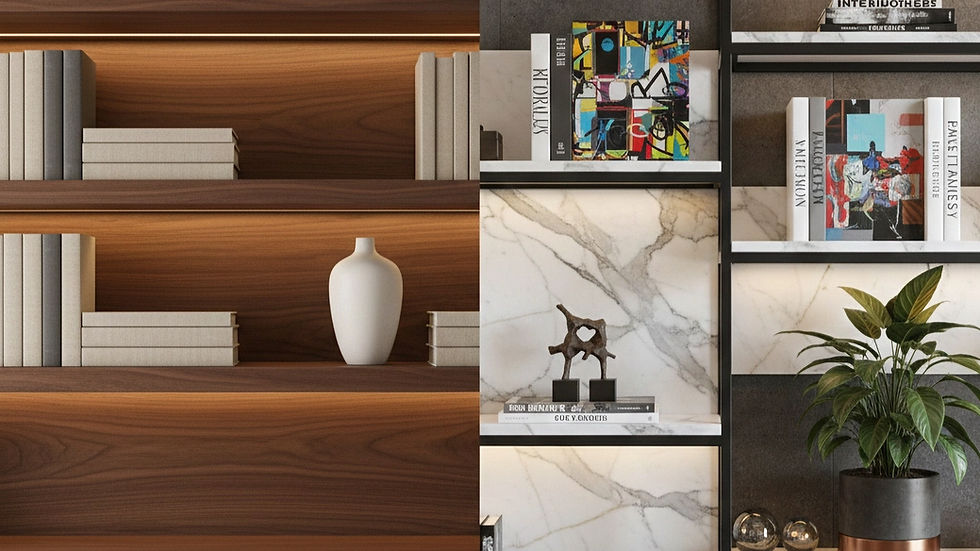
Natural Materials: Wood (especially teak, walnut), leather, linen, and metal (chrome, stainless steel) are frequently used. These materials are often showcased in their natural forms with minimal embellishment.
Neutral Colour Palettes: Whites, greys, beiges, and earthy tones dominate, sometimes with a single bold primary colour as an accent.
Open Floor Plans: A desire to break down traditional room divisions and create a seamless flow between spaces enhances light and airiness.
Minimal Ornamentation: Decoration is kept to a minimum, often focusing on the inherent beauty of materials, structural elements, and the form of the furniture itself.
Contemporary Design: The Ever-Evolving Present
In contrast, Contemporary design is not tied to a specific historical period. Instead, it is a dynamic and ever-evolving style that reflects the current trends and tastes of the moment. It is, by definition, what is "of the now." This means that Contemporary design is constantly shifting, borrowing elements from various styles, and embracing innovation in materials, technology, and artistic expression.
It's a living, breathing style that adapts to new ideas and cultural influences, often resulting in an eclectic yet cohesive aesthetic.

Key Characteristics of Contemporary Design
Contemporary design often includes the following characteristics:
Fluidity and Adaptability: It's a living style that changes with the times, making it harder to pin down a definitive list of rules. It is less rigid than Modern design.
Emphasis on Current Trends: What is considered "Contemporary" today might evolve tomorrow. This could involve new material innovations, sustainable design practices, biophilic elements, or emerging artistic influences.
Softened Lines and Curves: While clean lines are still present, Contemporary design often incorporates more curves and rounded edges. This creates a softer, more organic, and inviting feel than its Modern counterpart.
Eclectic Mix of Materials: It often blends natural materials (wood, stone) with newer, technologically advanced ones like polished concrete, glass, acrylic, or recycled composites. This creates interesting textural contrasts.
Broader Colour Palettes: While neutrals remain popular, Contemporary design is more open to incorporating bolder colours, metallics, and even unexpected combinations and patterns.
Integration of Technology: Smart home features, integrated lighting, cutting-edge appliances, and hidden tech solutions are often seamlessly woven into Contemporary spaces.
Artistic Expression: Contemporary design often features statement art pieces, sculptural furniture, and unique decorative elements that reflect personal style and current artistic movements.
The Overlap and The Distinction: Why the Confusion?
The confusion between Modern and Contemporary often arises because Modern design principles – its emphasis on clean lines, functionality, and open spaces – have profoundly influenced Contemporary design. Many Contemporary spaces incorporate elements that originated in the Modern movement.
However, the crucial distinction lies in their foundational philosophy: Modern is a historical style with defined parameters, while Contemporary is a fluid, evolving reflection of present-day design.
Think of it this way: all Contemporary design can include Modern elements, but not all Modern design is Contemporary. Modern is a significant chapter in design history; Contemporary is the current, ongoing conversation, always looking forward while potentially referencing the past.
Crafting Your Vision with Gianna Interior Designer
As designers, our role is to help clients articulate their vision. When a client expresses a preference for "modern," it's essential to delve deeper. Are they drawn to the timeless elegance and historical significance of true Modernism, or are they seeking the fresh, current, and often eclectic aesthetic of Contemporary design?
By understanding these fundamental differences, we can guide them toward creating a space that not only meets their functional needs but also authentically expresses their individual style within the rich tapestry of design.

As a skilled interior designer, I possess the extensive knowledge and practical ability to translate these distinct design philosophies into tangible, liveable spaces. Whether you envision the crisp, purposeful lines of Modernism or the dynamic, current appeal of Contemporary design, my expertise allows me to expertly navigate the complexities of any project. giannadart.co.uk/services
From maximising the potential of awkward nooks and challenging layouts to optimising the flow in expansive areas or creating ingenious solutions for small spaces, I am adept at transforming any environment into a harmonious and stunning reflection of your desired aesthetic. My commitment is to ensure that your space, regardless of its size or configuration, embodies the chosen style with impeccable design and functionality.
Conclusion: Embracing the Best of Both Worlds
In the world of interior design, both Modern and Contemporary styles offer unique advantages. Understanding their differences allows for a more informed approach to design. Whether you lean towards the historical significance of Modernism or the ever-evolving nature of Contemporary design, the key is to create spaces that resonate with your personal style.
By embracing the best of both worlds, you can curate an environment that is not only functional but also deeply reflective of who you are. The journey of design is an exciting one, and with the right guidance, it can lead to spaces that inspire and elevate everyday living.


Comments